When you need a tow, not a quick fix
Some problems can be solved on the spot. A dead battery or a flat tire with a good spare is a job for roadside assistance. Call for a tow when the car should not be driven or cannot be:
- The engine overheated, is smoking or lost power on the road.
- A jump start did not bring it back, or it dies again as soon as the cables come off.
- You have a flat and no usable spare, or more than one damaged tire.
- The car was in a collision and has leaks, a bent wheel or airbags out.
- A warning light came on together with a noise, a smell or a loss of brakes or steering.
- You are stopped on a freeway shoulder and it is not safe to work on the car there.
Not sure which one you need? Describe what happened when you call. Dispatch will tell you whether to send a service truck or a tow truck, so you do not pay for the wrong one.
What to tell dispatch when you call
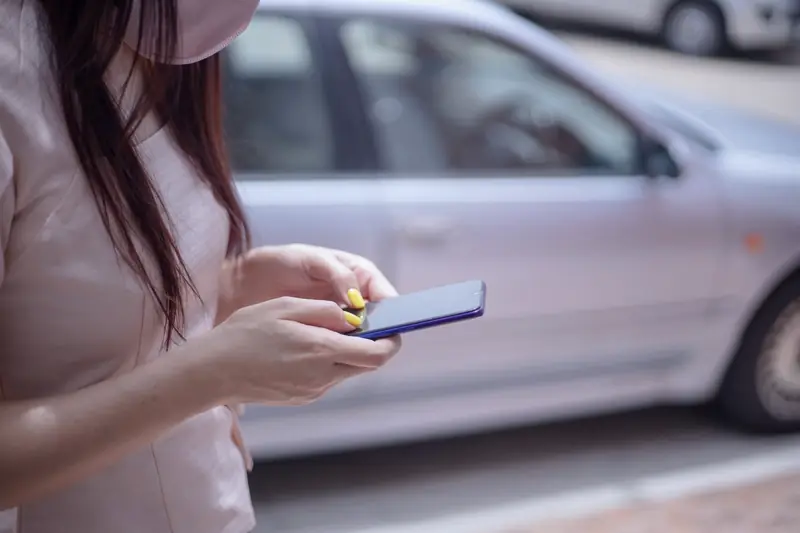
Four details let us send the right truck the first time and give you a real arrival time:
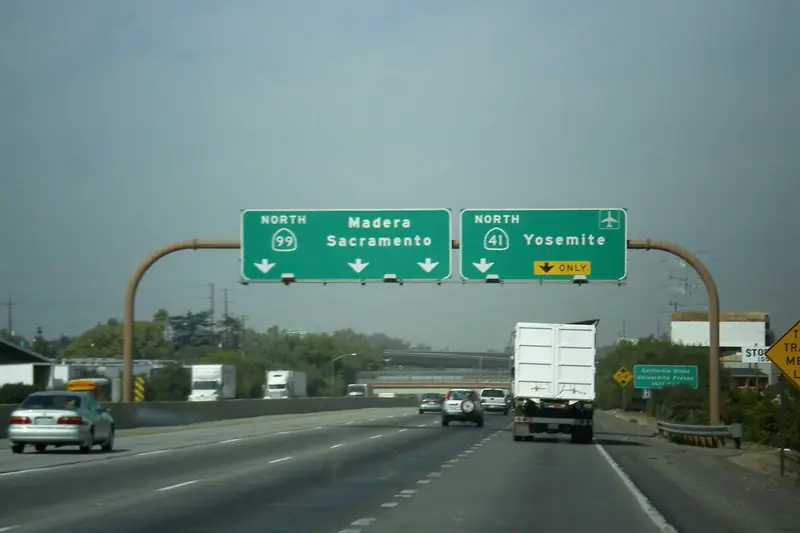
- Where you are. A street address or the two nearest cross streets. On a freeway: the route number, your direction of travel and the last exit you passed.
- What you drive. Make, model and anything unusual: all-wheel drive, electric, lowered, lifted, dual rear wheels or a trailer attached.
- What happened. Will not start, overheated, flat tire, collision, stuck. Tell us if the wheels still roll and if the car goes into neutral.
- Where it is going. Your home, your mechanic, a dealer or our yard on E Belmont Ave.
If anyone is hurt or the car is in a traffic lane
Call 911 first. Then call us at (559) 990-9526 for the tow.
While you wait: staying safe on the shoulder
The California DMV driver handbook gives the same steps we repeat to callers every night. On a freeway, pull over to the right shoulder. If you must get out, exit on the right side, away from traffic. Then get back in, keep your seat belt on and wait for help inside the vehicle. Use your emergency flashers so other drivers can see you.
The handbook also names the exceptions: if there is not enough room on the shoulder, or there is a guardrail or a safe area away from the lanes, it can be safer to get out and stay away from the vehicle.
Since January 1, 2026, California's Move Over law covers you too. Drivers approaching any stopped vehicle that is showing hazard lights, cones or flares must change lanes when they can, or slow down when they cannot (Vehicle Code §21809). Turn your flashers on and leave them on.
Good to know: the Freeway Service Patrol
On weekday commute hours, a free Freeway Service Patrol truck covers Highways 41, 99, 168 and 180 through Fresno and Clovis. It can change a tire, give a jump or tow you to a safe drop point off the freeway. It cannot take your car to a repair shop or to your home. From the drop point, call us and we take it the rest of the way.
How an emergency tow works, step by step
You call
Dispatch takes your location and vehicle, then gives you an arrival time for where you actually are.
You get the price in writing
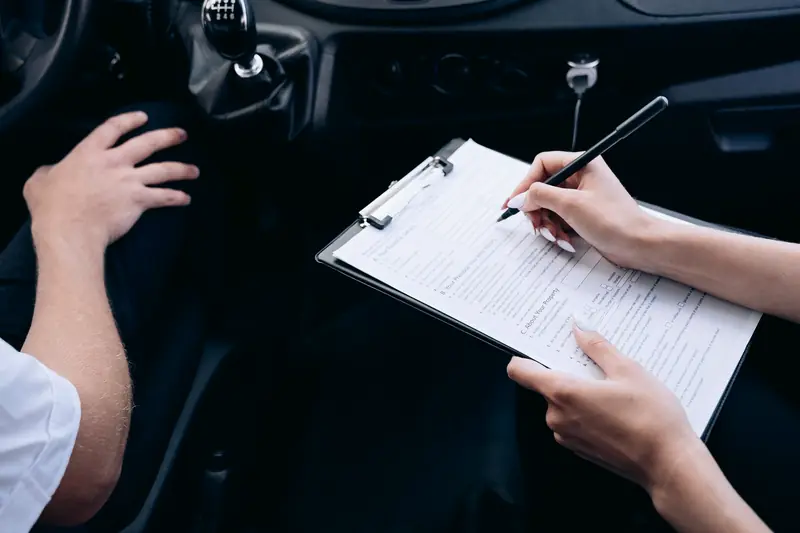
When you are with the car, California law requires a written, itemized estimate before the truck hooks up (Vehicle Code §22513). You see it and sign it first.
We load the car
Flatbed or wheel-lift, depending on the vehicle. Tell the driver about all-wheel drive or low ground clearance.
It goes where you say
You choose the destination and the repair shop. That choice is yours under California law.
If the car needs a place to stay until a shop opens, we can hold it at our yard at 3025 E Belmont Ave, Fresno, CA 93701. Under our terms, daily storage rates apply after a 24-hour grace period. You can read more on how storage and invoices work in California towing laws: your rights.
What an emergency tow costs
The price depends on four things: how far the car travels, what kind of vehicle it is, the equipment the job needs and the time of day. Under our terms, calls between 10 p.m. and 6 a.m., special equipment and mileage beyond 15 miles from the pickup point can add to the base rate.
We quote by phone before a truck leaves the yard, so the number does not change when the driver arrives. The full explanation is on how towing prices work in Fresno.
Common questions
Are you really open in the middle of the night?
Yes. Dispatch answers 24 hours a day, 7 days a week, including holidays. The number is the same at 3 p.m. and at 3 a.m.: (559) 990-9526.
How fast can a tow truck get to me?
Inside Fresno our trucks usually arrive within 20 to 30 minutes. Clovis, Madera and rural parts of Fresno County take longer. Dispatch gives you a time for your exact location when you call.
Do you tow from Highway 99, 41, 168 and 180?
Yes. Give us the route, your direction and the last exit you passed. If you are in a lane or anyone is hurt, call 911 first.
Can I ride with the tow truck driver?
Ask dispatch when you call, because seats in the cab are limited. You cannot ride inside the car being towed: California law does not allow riding in any part of a vehicle that is not designed for passengers (Vehicle Code §21712). More in can you ride in the tow truck?
¿Atienden en español?
Sí. Hablamos español a cualquier hora. Llame al (559) 990-9526 o vea la página Grúas en Fresno.
Sources
- California DMV, Driver Handbook: what to do if your vehicle stops working on the freeway
- California Vehicle Code §21809 (Move Over law, as amended effective January 1, 2026)
- California Vehicle Code §22513 (written estimate before a tow)
- California Vehicle Code §22651.07 (Towing Fees and Access Notice: right to choose the repair facility)
- California Highway Patrol, Freeway Service Patrol